
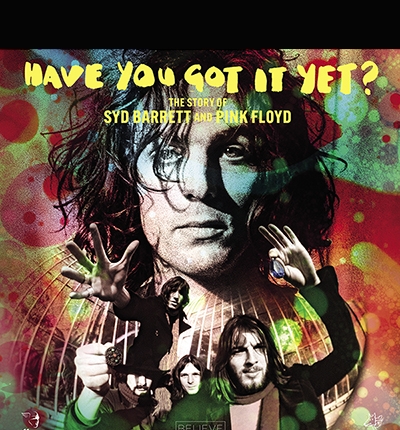
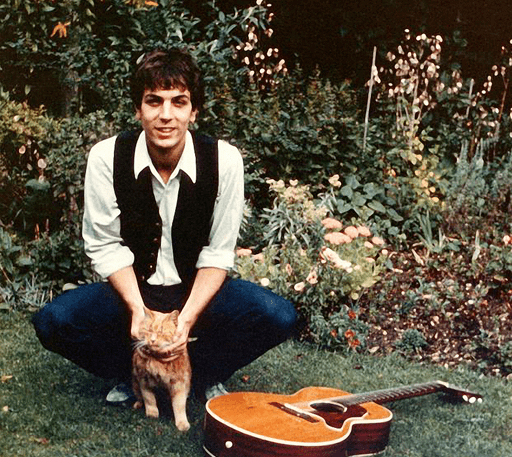
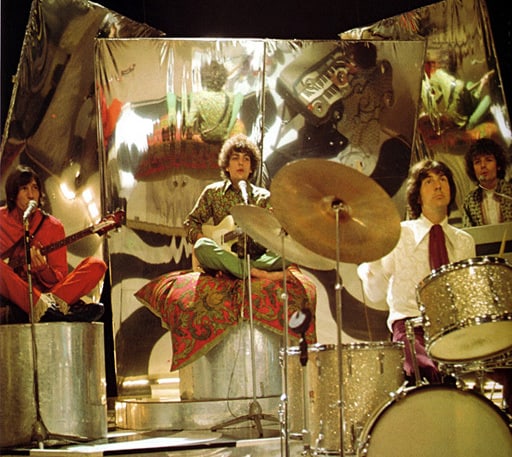
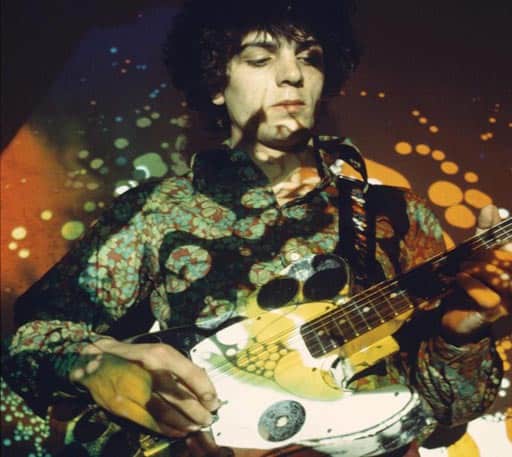
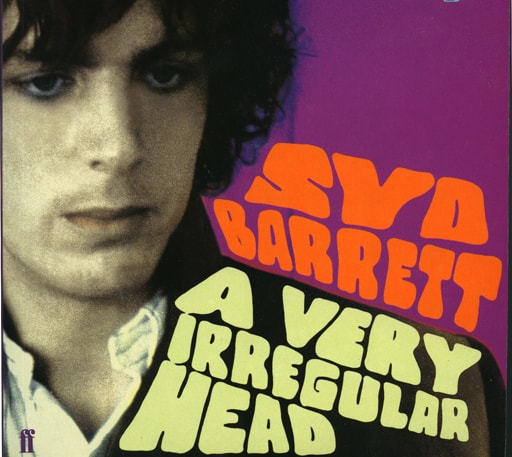
The late Roger ‘Syd’ Barrett, from Cambridge, was a co-founder of the 1960’s music group Pink Floyd and performed on lead guitar and vocals. He also composed many of their songs. He was responsible for inspiring an entire generation of musicians to develop their own indigenous brand of English rock music.
Syd was quintessentially English, penning idiosyncratic songs unique in style and tone. He had a hugely attractive personality and with his good looks he was difficult to ignore. He was a quick-witted clown who kept family and friends laughing at his good-natured cheekiness throughout his younger years. Always interested in experimenting with music, he played the recorder, piano, ukulele, Jew’s harp and guitar all to a good standard.
Latest News
 https://www.sydbarrett.com/wp-content/uploads/2025/04/Octopus-YouTube-1.jpg
303
492
Ginny
https://www.sydbarrett.com/wp-content/uploads/2022/03/logo-300x138.png
Ginny2025-04-27 18:29:112025-05-05 17:11:22“Octopus” on YouTube
https://www.sydbarrett.com/wp-content/uploads/2022/03/logo-300x138.png
0
0
Ginny
https://www.sydbarrett.com/wp-content/uploads/2022/03/logo-300x138.png
Ginny2025-02-18 08:53:342025-02-18 09:02:03Be part of the spark – Syd’s Cafe crowdfunder
https://www.sydbarrett.com/wp-content/uploads/2022/03/logo-300x138.png
0
0
Ginny
https://www.sydbarrett.com/wp-content/uploads/2022/03/logo-300x138.png
Ginny2025-02-16 20:02:562025-02-18 08:33:03Syd’s Cafe Opening in Cambridge
https://www.sydbarrett.com/wp-content/uploads/2025/04/Octopus-YouTube-1.jpg
303
492
Ginny
https://www.sydbarrett.com/wp-content/uploads/2022/03/logo-300x138.png
Ginny2025-04-27 18:29:112025-05-05 17:11:22“Octopus” on YouTube
https://www.sydbarrett.com/wp-content/uploads/2022/03/logo-300x138.png
0
0
Ginny
https://www.sydbarrett.com/wp-content/uploads/2022/03/logo-300x138.png
Ginny2025-02-18 08:53:342025-02-18 09:02:03Be part of the spark – Syd’s Cafe crowdfunder
https://www.sydbarrett.com/wp-content/uploads/2022/03/logo-300x138.png
0
0
Ginny
https://www.sydbarrett.com/wp-content/uploads/2022/03/logo-300x138.png
Ginny2025-02-16 20:02:562025-02-18 08:33:03Syd’s Cafe Opening in Cambridge
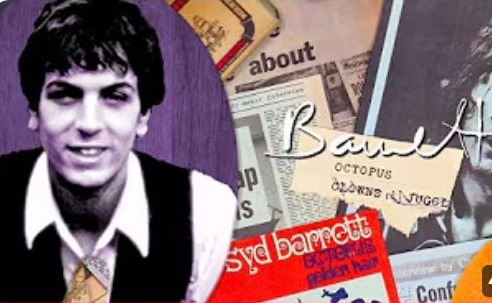
To mark the day Syd died in 2006 we want to keep his magic alive with this, one of the most loved lyric videos on Syd Barrett Official YouTube channel
When you enjoy it dont forget to subscribe if you havent already ... See MoreSee Less
Comment on Facebook
RIP Syd.
One of my favourite tracks from his second, self titled studio album. Kisses to the Sky Syd 💕
Love his songs 💎💖💖💎 Great artist!
💎💖💖💖💖💖💖💖💖💖💖💖💖 Wonderful!!!!
Shine on you Syd Barrett (Official) wherever you are 💎🌟
Immenso Syd!!!
💎💖💖💖💖💖💖💖💖💖💯
Continued feeding off the carcass of a man that suffered with mental illness.
Unmistakable Sid.
View more comments
Syd died on this day in 2006
This is a photo you may not have seen of Roger as he was known then enjoying some food with his sisters Rosemary and Ruth ... See MoreSee Less
Comment on Facebook
Wish yo were in peace
Rip 🙏 genius
never seen it x
May God rest his soul, an authentic talent.
✌️❤️
S......hine on Y...ou crazy D.... iamond
The same shoes! 😄🥰
The earliest Pink Floyd songs were in my humble opinion the greatest; exploratory and childlike. He totally could have used this photo for inspiration for a song titled “Three For The Price Of Two At The Sandal Shop” and made it sound brilliantly Barrettesque. 🎵🎶🎵🎶🎵🎶 Long live Syds music ♥️
Shine on you crazy Diamond
He Never Left Pink Floyd.He is in every albums in a form of a songs or instrumental arrangements..☯️☯️☯️🙏🙏🙏
I spent a night tripping and all night it was a Syd fest. Amazing night. Two days later I found he passed away. Amazing experience
Oddly enough, just out of the blue, watched the omnibus pink floyd story documentary, first time in years and had no idea it was the anniversary day of his passing.
I went to see Pink Floyd at age 16 fifty years ago and I hadn't a clue who Syd was because all the radio played was the Dark Side Of The Moon.
Yipee, You Cant See Me, But I Can You
Coffee and "candy and a currant bun" in his memory just now. ❤️
Rip crazy diamond 💎
RIP Syd.
Still watching Emily play?!RIP Syd.
My angel dream my guru of life of soul my love of my heart thank for your present every day thank you for see beautiful in this my little life♥️👍🦄🌞
A beautiful Soul RIP
RIP So sad! Shine on, Syd!
Wish you were here Syd
Such a lovely photo of happy childhood days in the backyard. Rog, always doing something different in the pic from everyone else. Lol. Love that smile. Thank you for sharing. It’s a reminder of how much he enjoyed life and what a sweet soul he was. ❤️🥰
Shine on.
Syd, Peter Green and Koss became victims of the times. Amazing musicians.
View more comments
This content isn't available right now ... See MoreSee Less
This content isn't available right now
When this happens, it's usually because the owner only shared it with a small group of people, changed who can see it or it's been deleted.Comment on Facebook
So glad we have that historic footage!
❤️❤️❤️❤️❤️❤️❤️
♥️♥️♥️♥️♥️
💎❤️❤️❤️❤️❤️❤️
BBC HAS A HISTORY OF ERASING TAPES
View more comments